
You’re planning an imaging project in 2026, and weather conditions aren’t something you can control—but you can monitor them precisely. The right weather station gives you real-time data on humidity, pressure, wind, and solar radiation. These five models offer different advantages for your specific needs. Let’s explore which one matches your setup.
| 10-in-1 Wireless Weather Station with Outdoor Sensor |  | Best All-Around Station | Display Type: 6.5-inch color LCD screen with adjustable brightness | Wireless Connectivity: Wireless transmission up to 328 ft (no WiFi) | Temperature & Humidity Measurement: ±2°F/±1°C temperature accuracy; ±5% humidity accuracy | CHECK ON AMAZON | Read Our Analysis |
| Ambient Weather WS-2000 Smart Weather Station WiFi | 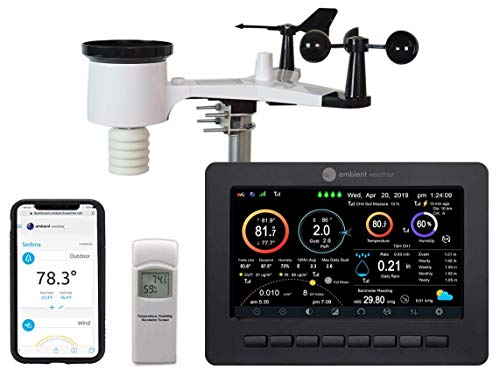 | Best WiFi Connectivity | Display Type: TFT color display | Wireless Connectivity: WiFi-enabled with remote monitoring capabilities | Temperature & Humidity Measurement: Integrated sensor array measures temperature and humidity | CHECK ON AMAZON | Read Our Analysis |
| Sainlogic Smart WiFi Weather Station with Rain Gauge |  | Best Data Analytics | Display Type: LCD display | Wireless Connectivity: 2.4G WiFi with app connectivity | Temperature & Humidity Measurement: ±0.5°C temperature accuracy via thermistor sensors | CHECK ON AMAZON | Read Our Analysis |
| AcuRite Iris 5-in-1 Wireless Weather Station (01512M) | 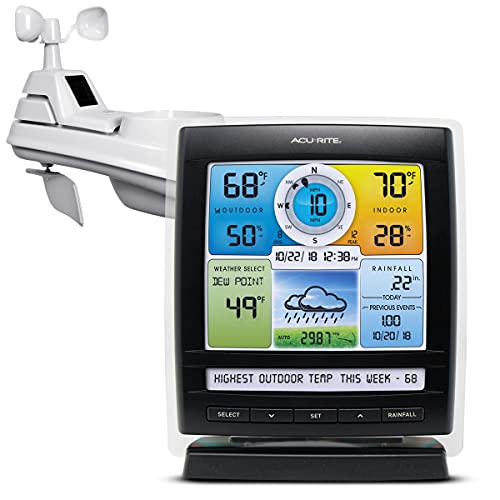 | Best Mid-Range Option | Display Type: Large color LCD display with adjustable dimmer | Wireless Connectivity: Wireless indoor/outdoor sensor transmission | Temperature & Humidity Measurement: Indoor/outdoor temperature and humidity readings | CHECK ON AMAZON | Read Our Analysis |
| BluSon Wireless Weather Station with Atomic Clock |  | Best Multi-Sensor Setup | Display Type: 7.5-inch HD color digital display with four backlight settings | Wireless Connectivity: Wireless remote sensors with 328 ft transmission range | Temperature & Humidity Measurement: Indoor/outdoor temperature and humidity monitoring | CHECK ON AMAZON | Read Our Analysis |
More Details on Our Top Picks
10-in-1 Wireless Weather Station with Outdoor Sensor
If you’re serious about capturing precise imaging conditions, you’ll appreciate this station’s high-accuracy Swiss sensors that track temperature within ±2°F and humidity within ±5%—measurements critical for photographers monitoring atmospheric stability. You’ll get real-time data across a 328-foot wireless range, eliminating installation hassles. The 6.5-inch adjustable LCD display shows wind speed, direction, barometric pressure, and dew point—all essential for understanding how weather affects your shoots. Solar-powered with backup batteries, it requires no WiFi or complicated setup. You’re investing in professional-grade equipment that educates you on environmental conditions while supporting hyper-localized weather monitoring for your specific location and imaging needs.
- Display Type:6.5-inch color LCD screen with adjustable brightness
- Wireless Connectivity:Wireless transmission up to 328 ft (no WiFi)
- Temperature & Humidity Measurement:±2°F/±1°C temperature accuracy; ±5% humidity accuracy
- Weather Data Measurements:Wind speed/direction, rainfall, barometric pressure, dew point, moon phase
- Power Source:Solar-powered with 3 AAA batteries included
- Installation & Setup:Plug-and-play outdoor sensor with adjustable bracket; quick installation
- Additional Feature:Solar-powered with battery backup
- Additional Feature:Moon phase and calendar display
- Additional Feature:328 ft wireless transmission range
Ambient Weather WS-2000 Smart Weather Station WiFi
Want real-time weather data you can access from anywhere? The Ambient Weather WS-2000 Smart Weather Station WiFi delivers exactly that. Its wireless all-in-one sensor array measures wind speed and direction, temperature, humidity, rainfall, UV, and solar radiation—everything you need for accurate imaging conditions. The TFT color display shows home and backyard weather in real time, while WiFi connectivity transmits data to the world’s largest personal weather station network. You’ll get instant alerts and remote monitoring from your phone or computer. The console runs on an included 5V DC adapter, and the sensor array requires three AAA batteries. It supports both imperial and metric units with calibration options.
- Display Type:TFT color display
- Wireless Connectivity:WiFi-enabled with remote monitoring capabilities
- Temperature & Humidity Measurement:Integrated sensor array measures temperature and humidity
- Weather Data Measurements:Wind speed/direction, rainfall, UV, solar radiation
- Power Source:5V DC adapter (console); 3 AAA batteries for sensor array (not included)
- Installation & Setup:Easy installation with included bracket and batteries
- Additional Feature:UV and solar radiation measurement
- Additional Feature:World’s largest PWS network
- Additional Feature:Imperial and metric unit support
Sainlogic Smart WiFi Weather Station with Rain Gauge
The Sainlogic SA6 Plus stands out for photographers and weather enthusiasts who need reliable, real-time atmospheric data without sacrificing ease of use. You’ll appreciate its wireless outdoor sensor transmitting wind speed, direction, rainfall, temperature, and humidity to your smartphone via the Weatherseed app. The AI-driven forecast alerts you to critical atmospheric changes affecting imaging conditions. You can monitor pressure, dew point, and wind gust data with hourly granularity, then export two years of historical records to Excel for trend analysis. Setup takes three simple steps, while ±0.5°C temperature accuracy and professional rainfall monitoring ensure precise environmental tracking for optimal shooting conditions.
- Display Type:LCD display
- Wireless Connectivity:2.4G WiFi with app connectivity
- Temperature & Humidity Measurement:±0.5°C temperature accuracy via thermistor sensors
- Weather Data Measurements:Wind speed/direction, rainfall, dew point, pressure, wind gust, moon phase
- Power Source:3 AAA batteries with power adapter
- Installation & Setup:3-step WiFi setup via app; beginner-friendly
- Additional Feature:2-year data storage/export
- Additional Feature:AI-driven 24/7 forecasts
- Additional Feature:Ultrasonic anemometer technology
AcuRite Iris 5-in-1 Wireless Weather Station (01512M)
Looking for hyperlocal forecasting without the complexity? The AcuRite Iris 5-in-1 delivers precisely that. You’ll get real-time wireless measurements of temperature, humidity, wind speed, wind direction, barometric pressure, and rainfall through built-in anemometer, wind vane, barometer, hygrometer, rain gauge, and thermometer. The large color LCD display presents current conditions clearly with adjustable dimmer settings. What sets it apart is its 12-hour personalized forecast, which fuses data from both indoor and outdoor sensors using elevation and barometric pressure. USA Today and Bob Vila both recognized this midrange station. Setup’s straightforward: install batteries and mount the outdoor sensor. You’re getting reliable imaging-condition data from a company trusted since 1943.
- Display Type:Large color LCD display with adjustable dimmer
- Wireless Connectivity:Wireless indoor/outdoor sensor transmission
- Temperature & Humidity Measurement:Indoor/outdoor temperature and humidity readings
- Weather Data Measurements:Wind speed/direction, rainfall, barometric pressure, heat index, dew point
- Power Source:Batteries required for outdoor sensor (type not specified)
- Installation & Setup:Easy setup with battery installation and bracket mounting
- Additional Feature:12-hour personalized forecast capability
- Additional Feature:Feels-like temperature calculation
- Additional Feature:USA-based company since 1943
BluSon Wireless Weather Station with Atomic Clock
If you’re monitoring multiple rooms and outdoor spaces simultaneously, BluSon’s wireless weather station delivers comprehensive home coverage through its support for up to three remote sensors with a 328-foot transmission range. You’ll track indoor and outdoor temperatures, humidity levels, atmospheric pressure, and dynamic weather forecasts on its 7.5-inch HD color display. The WWVB atomic clock automatically syncs daily and adjusts for daylight saving time across multiple time zones. Customizable temperature and humidity alerts let you safeguard specific areas—nurseries, basements, greenhouses—while dual alarms with snooze keep you on schedule. Its corded power design and adjustable backlight settings ensure reliable, 24/7 monitoring for your imaging environment’s conditions.
- Display Type:7.5-inch HD color digital display with four backlight settings
- Wireless Connectivity:Wireless remote sensors with 328 ft transmission range
- Temperature & Humidity Measurement:Indoor/outdoor temperature and humidity monitoring
- Weather Data Measurements:Atmospheric pressure, weather forecast, moon phases
- Power Source:Corded electric power; batteries not included
- Installation & Setup:Desktop or wall-mount placement options
- Additional Feature:WWVB atomic clock with DST
- Additional Feature:Supports up to 3 sensors
- Additional Feature:Customizable temperature/humidity alerts
Factors to Consider When Choosing a Weather Station for Monitoring Imaging Conditions
When you’re selecting a weather station for imaging, you’ll want to prioritize real-time data accuracy and display visibility so you can quickly assess conditions without guesswork. Consider the wireless transmission range and environmental sensor coverage you need—your setup’s size and layout determine whether a basic local unit or a more expansive system serves you best. You should also evaluate weather alert capabilities that notify you of sudden changes, giving you the edge to prepare or adjust your imaging plans before conditions shift.
Real-Time Data Accuracy
How accurately does your weather station capture the conditions that matter most to imaging? You’ll want sensors that deliver precise measurements—ultrasonic wind sensors and calibrated thermistors offer superior accuracy for wind direction and temperature monitoring. Professional setups typically provide temperature accuracy within ±0.5°C to ±2°C and humidity accuracy around ±5%.
Data latency directly affects your imaging decisions. Shorter transmission intervals give you fresher readings when conditions change rapidly. Multi-sensor fusion and redundant measurements—combining indoor/outdoor data with barometric pressure trends—significantly boost reliability.
Don’t overlook connectivity quality either. Radio frequency range, interference resistance, and strong battery life ensure your measurements stay current. When your station delivers timely, accurate data, you’ll make better-informed decisions about optimal imaging windows.
Display Visibility and Clarity
Can you quickly spot wind speed and temperature without fumbling through menus? Display visibility and clarity directly impact how efficiently you monitor imaging conditions. You’ll benefit from a larger color LCD or TFT display—ideally 6.5 inches or more—for legible at-a-glance readings of temperature, humidity, wind, and pressure data. Adjustable brightness and backlight settings ensure you can read your display in any lighting condition while conserving power. Look for high-contrast displays with distinct icons for wind direction, rain, and dew point, which enhance readability from a distance or in bright sunlight. Clear typography and well-organized layouts minimize the time you spend locating forecast icons and trend indicators. An easily readable time and date display alongside current conditions lets you reference critical data instantly without scrolling.
Wireless Transmission Range
Where you position your outdoor sensor relative to your indoor console matters far more than you’d think. Most consumer weather stations offer wireless ranges around 100 meters in open areas, but real-world performance typically falls shorter due to interference from WiFi and Bluetooth devices operating on the 2.4 GHz band.
You’ll want to consider whether you need line-of-sight transmission or if your station can penetrate walls effectively. Battery-powered sensors can maintain better range when they conserve power between transmissions, though active transmission drains batteries faster.
If standard range proves insufficient for your imaging setup, you can extend coverage using repeaters or higher-gain antennas. These solutions preserve data integrity across longer distances, ensuring your weather monitoring remains reliable regardless of sensor placement.
Environmental Sensor Coverage
The range of sensors your weather station offers directly impacts how well you’ll understand the environmental conditions affecting your imaging work. You’ll want comprehensive coverage including indoor and outdoor temperature, humidity, wind speed and direction, and barometric pressure to capture microclimates influencing your shots. Precipitation sensing—whether through dedicated rain gauges or tipping mechanisms—helps you schedule sessions around adverse weather. Don’t overlook supplementary sensors like dew point and heat index, which reveal condensation risks that can damage lenses and equipment. UV and solar radiation measurements further optimize exposure planning while tracking potential lens aging. Finally, prioritize stations with networked or data-logging capabilities offering at least two-year storage and export options, enabling you to analyze environmental trends and refine your imaging schedules accordingly.
Weather Alert Capabilities
Beyond logging data, you’ll need a station that actively notifies you when conditions shift unexpectedly. Look for customizable threshold alerts covering temperature, humidity, wind speed, barometric pressure, and rainfall. Real-time notifications through app alerts, email, or audible alarms enable rapid response to hazardous conditions that could compromise your imaging work.
Dew point and heat index warnings prove invaluable for assessing comfort levels and predicting fog or icing—both critical for equipment performance. Ensure the station supports 24/7 data logging with export capabilities, allowing you to review historical events and verify alert accuracy over time.
Choose systems with AI-generated alerts that account for local microclimates, delivering more relevant warnings specific to your shooting location rather than broad regional forecasts.
Installation and Setup Ease
How quickly can you get your weather station operational? Installation ease directly impacts your setup timeline and satisfaction.
Look for wireless models offering plug-and-play functionality that minimize installation complexity. You’ll want outdoor sensors with straightforward mounting hardware and brackets designed for various locations.
Check the transmission range—stations reaching up to 328 feet ensure reliable indoor display connection without requiring wiring. This wireless capability eliminates complicated electrical work.
Verify that your indoor console supports quick pairing with the outdoor sensor through simple, intuitive processes. A clear, adjustable display becomes essential for monitoring conditions without frustration.
Consider the outdoor sensor’s power source carefully. Solar-powered options eliminate battery maintenance, while battery-powered models should include batteries and specify realistic runtime expectations for typical use.
Data Storage and Export
What happens to your weather data once it’s collected? You’ll want to verify whether your station stores data locally on the device or in the cloud. Check for selectable retention periods—options like 1 year or 2 years versus unlimited storage—so you’re not caught off guard by automatic overwrites.
Look for robust export capabilities in CSV or Excel formats across hourly, daily, or monthly intervals. This flexibility lets you conduct detailed trend analyses on temperature, humidity, and pressure patterns. Confirm the device supports long-term data visualization with built-in analytical tools.
Finally, prioritize stations offering automated export scheduling or monthly reports. This feature streamlines record-keeping and facilitates regular data sharing without manual intervention, keeping your imaging condition documentation current and accessible.
Long-Term Reliability Support
Once you’ve secured reliable data storage and export capabilities, you’ll want to ensure your weather station itself remains dependable over the long haul. Prioritize manufacturers offering multi-year warranties and established service centers with documented support channels like phone and email. Verify their response times to minimize downtime during critical imaging campaigns.
You’ll also benefit from selecting stations with proven durable outdoor sensors and weatherproof enclosures that maintain accuracy across seasons without frequent maintenance. Check whether manufacturers provide regular firmware updates to ensure compatibility with evolving imaging workflows and data formats. Upgradeability matters too—confirm the station can adapt as your imaging needs change over several years.
Frequently Asked Questions
How Do Weather Stations Improve Astrophotography Planning and Image Quality Outcomes?
You’ll use weather stations to monitor atmospheric conditions like humidity, cloud cover, and seeing quality, letting you schedule sessions during optimal windows. You’ll capture sharper images with better contrast by avoiding turbulent air and moisture interference.
What Is the Typical Lifespan and Warranty Coverage for Professional Weather Monitoring Stations?
You’ll find professional weather stations typically last 5-10 years with standard warranties covering 2-3 years. You can extend coverage through manufacturer plans, protecting your investment in atmospheric monitoring equipment for astrophotography planning.
Can Weather Stations Predict Atmospheric Conditions Hours in Advance for Imaging?
You can’t use weather stations alone to predict conditions hours ahead. You’ll need to combine their real-time data with weather forecasting services and atmospheric models for reliable advance predictions supporting your imaging plans.
How Do I Integrate Weather Station Data With Telescope or Camera Equipment?
You’ll integrate weather station data by connecting sensors to your camera’s computer via USB or network cables. Use software like Voyager or NINA that accepts real-time atmospheric readings, automatically triggering imaging sessions when conditions optimize.
What Are the Cost-To-Feature Ratios Comparing Budget Versus Premium Weather Stations?
You’ll find budget stations offer basic temperature and humidity sensing at $100-300, while premium models ($800+) add advanced features like all-sky cameras, cloud detection, and API integration for superior imaging condition monitoring.